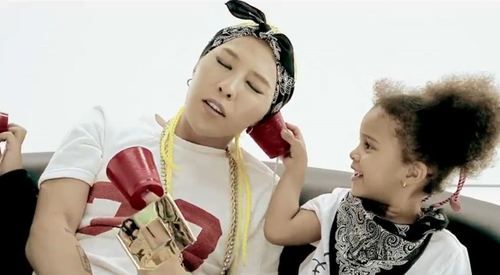
"Kpop Music Industry: Building the Love,
One Fandom at a Time"
I’ve been musing
about my K-Pop addiction for some time now.
If you had asked me a year ago, when I was fresh into discovering
K-Dramas, if I’d ever listen to some Asian boy band in skinny jeans or cotton
candy hair, I probably would have slapped you, scoffed, and assured the
questioner with sure-fire determination: Please, I’m an adult. I even missed
the boy band craze in the 90s, though I was right in the middle of that whole
generation. I like to think I had more
sense in my younger days. That is, until I finally admitted to myself, and to
my family, what had obviously become true, and that cotton candy hair is
actually quite sexy… So why was I taken
in? When and how did I become just
another dot in the K-Pop fandom?
It’s nothing new to
refer to the K-Pop industry as hardcore manufacturers, popping out singers and
dancers regardless of talent. One
pictures the giant machine that is the Company, swallowing children whole and
popping the lucky survivors out… Voila!
Yet one more idol group loosed upon the world.
If you’re an international K-Pop fan too, it can be especially hard to
defend this system which is more often than not based on fact. It’s a defense I’m also tired of making, even
if I bring it upon myself to explain to mostly uninterested parties. There’s only so many times I can say, “Yes… well
this group does sound an awful lot like that group… but you see, here’s the
exception to that rule…and that’s why I like Group B more than I like Group G!”
Because the truth is, sometimes I even like Group S, who look and sound a lot
like Group G…
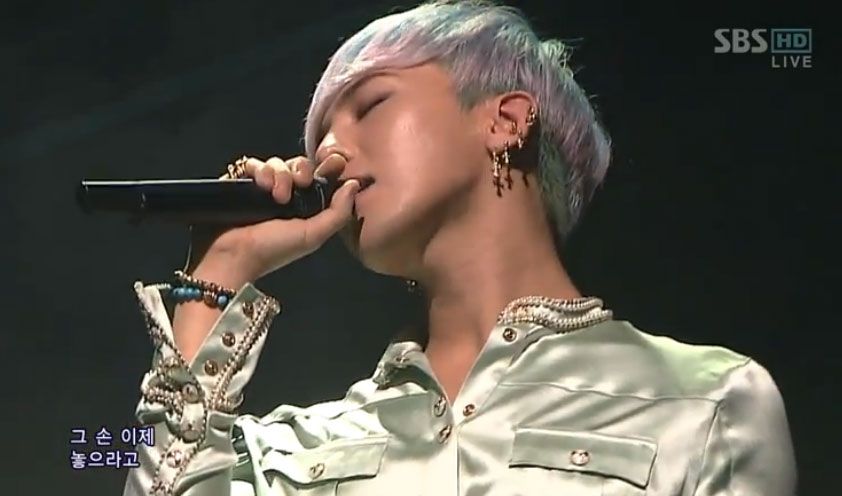
There’s a nasty
theory, which on my darkest days, even I consider a pretty good possibility: Commercialization
and the state of falling prey to commercialization. I can’t tell you how many times I have read
articles about K-Pop groups hounding on the success or non-success of a
particularly stylization of genre, concept, trend, or marketing strategy. Discussing this year’s crop of rookie groups
(generally acknowledged to be too many to count) seems to be the favorite pastime
of many K-Pop analysts, professional or hobby.
‘Will these boys be
able to distinguish themselves with their radical new concept? Will these darlings manage to create a foothold
within their target age group? Will
their management company be able to market them better, put them on enough
stages, variety programs, allow their personalities to stand out, make them
shine? Will the viewers buy it, and become lifelong fans?’
I hate the idea of
buying into something that’s been tailor-made to suit my tastes. I think most of us do on some level. Advertising companies, commercials – they come
with a nasty mechanical and impersonal label, the middle-men between corporate
profits, and our poor little pocket books.
The entertainment industry masks itself better than most, and yet it’s
the same. Our favorite K-Pop groups? Their
companies make a lot of money because of fans who show up to concerts, and buy
their products. Am I any different? Take a look at this picture, and I’ll confess:
I swooned almost as much at the box label as I did for the products inside.
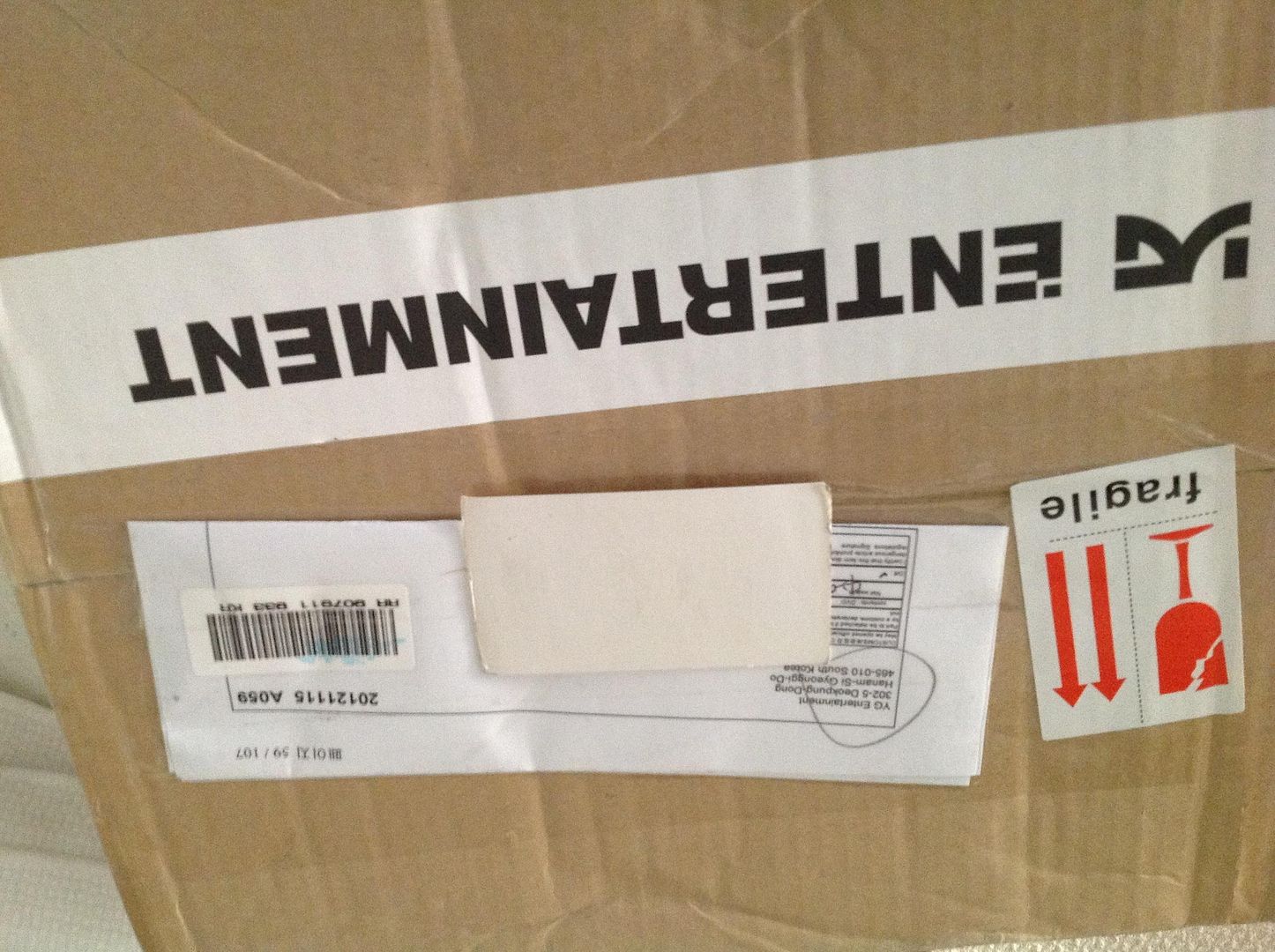
It’s true. I bought
into this system. Idle Revelry’s dire prophecy happened just as they knew it would.
Part of this irks me to no end, but mainly I don’t care. I could stand and defend myself, but
sometimes we have to admit that marketing works. Whenever I see a Whataburger commercial on
the TV, guess what? I want Whataburger.
Chances are within the week, I’ll still be craving a Whataburger and go
out and buy it. I’m weak and human, and usually hungry...
As far as K-Pop, I
have to be impressed some days with its marketing as a whole. Korea is phenomenal at propagating its
culture through K-Pop and K-Dramas alike, that infamous Soft Power that makes
people half a globe away interested in the workings of a comparatively tiny
little nation sandwiched in between Japan and China. I know the relative histories of those
countries, but does their culture affect me on a daily basis? No, and that is their loss. Fundamentally, I may dislike the self-imposed
connotation that I’m just a part of this system. On the other hand, if Korea wants to continue
making and training pretty boys for me to ogle at and sing along with to
ridiculous songs, as long as I’m mostly happy, I say bring it on.